

There are bathroom choices you regret immediately, and then there are the ones that take six months to reveal themselves, by then, many tradespeople will be long gone. The tap that constantly needs tightening. The beautifully styled open shelving that has become a collection of dusty bottles. The atmospheric lighting that makes putting on makeup almost impossible.
When you’re choosing a new bathroom, it’s easy to concentrate on how everything will look on installation day. But you’ll probably use the room every single day for years, so the best bathroom design decisions are usually the ones that make it easier to live with too. Here are five bathroom design choices worth thinking twice about before committing.
1. Creating dust traps everywhere
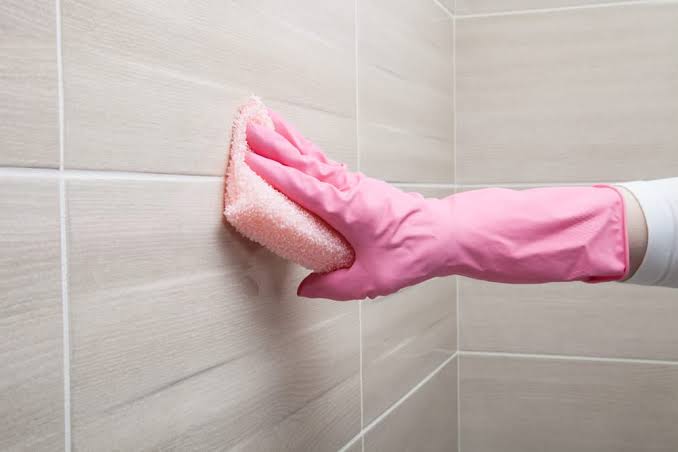
Nobody wants to design their new bathroom around cleaning it, but unfortunately, it’s an everyday issue. One of the most frustrating bathroom design mistakes is creating lots of little spaces that are difficult to reach. Tiny gaps between a vanity unit and the wall. A toilet with awkward pipework behind it. Narrow ledges. Furniture that almost reaches the floor but leaves just enough room underneath to collect dust without enough space to get a mop in.
They might seem insignificant when you’re looking at a bathroom design, but those little gaps can quickly become magnets for dust, hair and general bathroom grime. The answer isn’t to create a completely featureless bathroom. It’s simply to think about cleaning while you’re planning it.
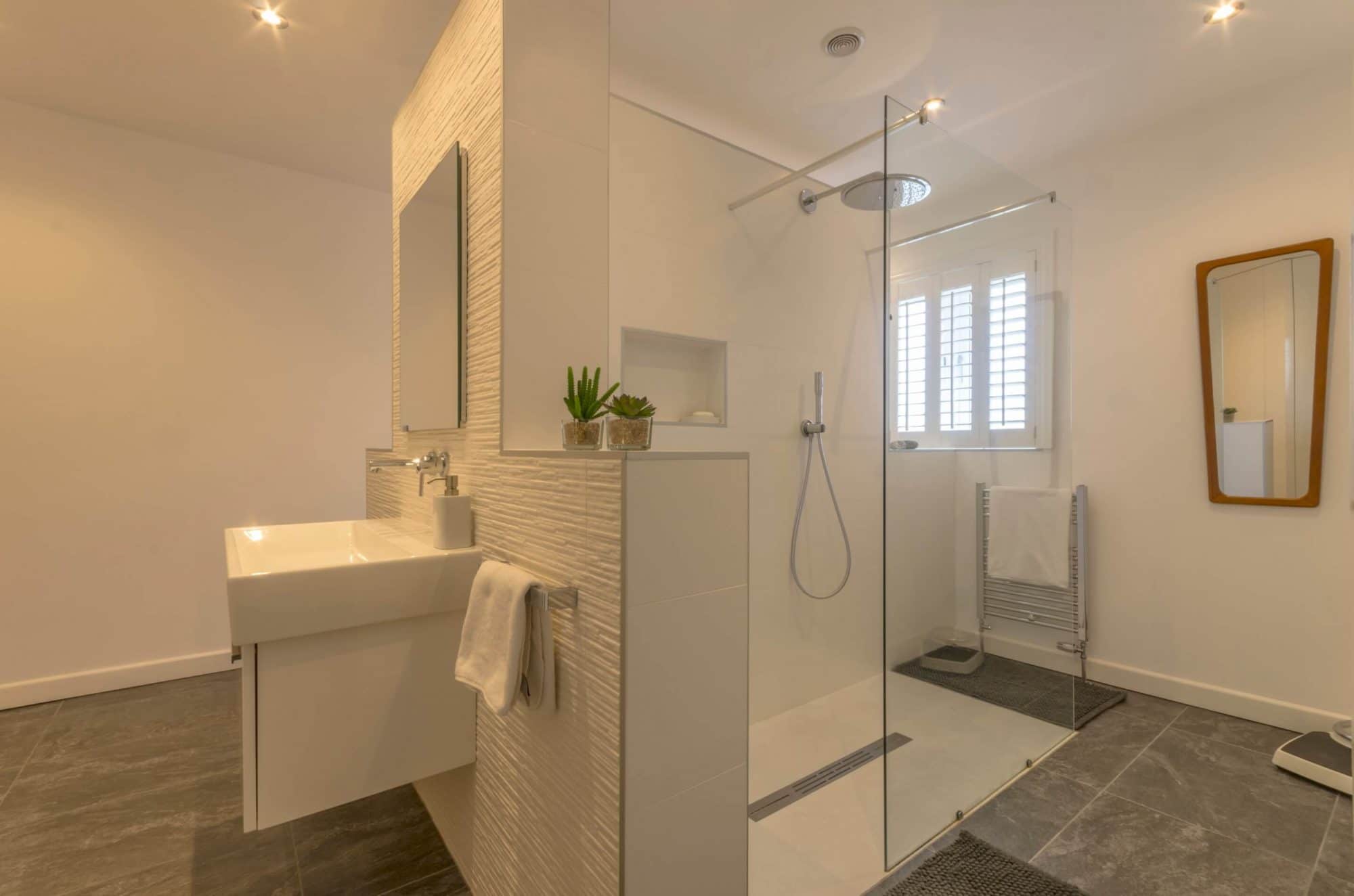
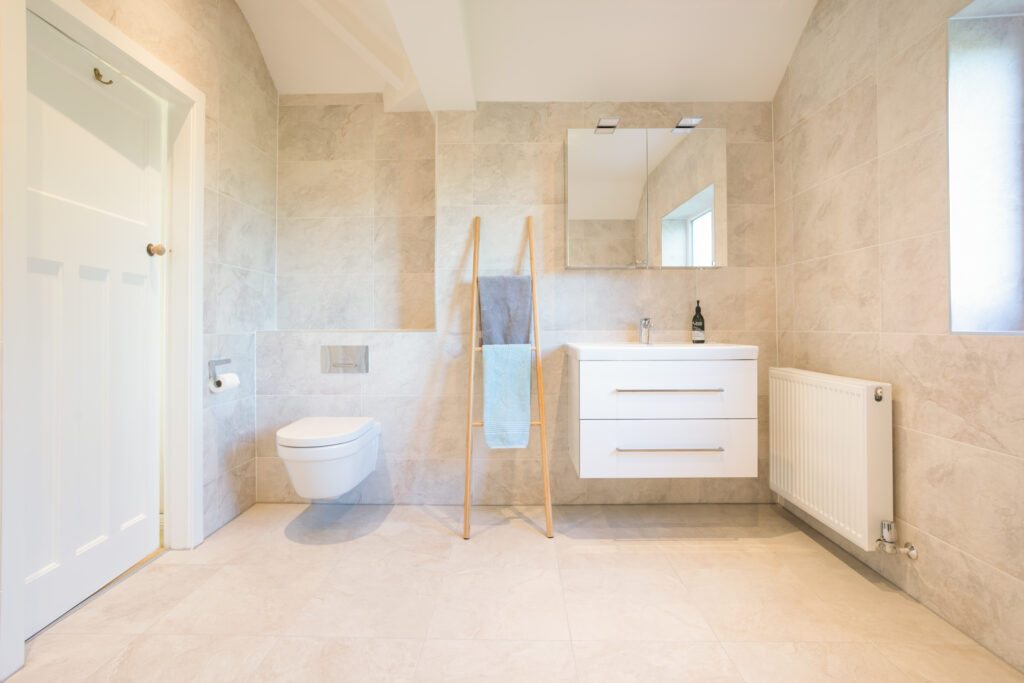
Wall-hung toilets and vanity units can make the floor underneath much easier to reach. Fitted furniture can eliminate awkward gaps altogether, while concealed pipework creates fewer surfaces to clean around. A good test is surprisingly simple: could you actually get a cloth, vacuum or mop in there? If the answer is no, you might be creating a job you’ll resent later.
2. Not having enough light
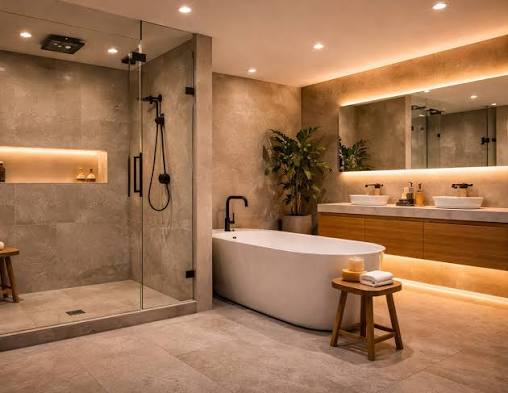
A bathroom can look lovely under soft, atmospheric lighting. It becomes slightly less lovely when you’re trying to shave or apply makeup. Good bathroom lighting needs to do more than create a relaxing atmosphere (though this is important too!)
Where possible, make the most of natural light. The position and size of windows can have a huge effect, and larger renovation projects may give you opportunities to introduce additional glazing or rooflights.
Artificial lighting then needs to work at different times of day. Rather than relying on a single ceiling light, consider layers of lighting. Recessed ceiling lights can provide good general illumination, while illuminated mirrors or lighting around a vanity can make everyday tasks considerably easier. You can still have softer lighting for a long relaxing bath in the evening. You just don’t want it to be your only option.
3. Saving money on the things you touch every day
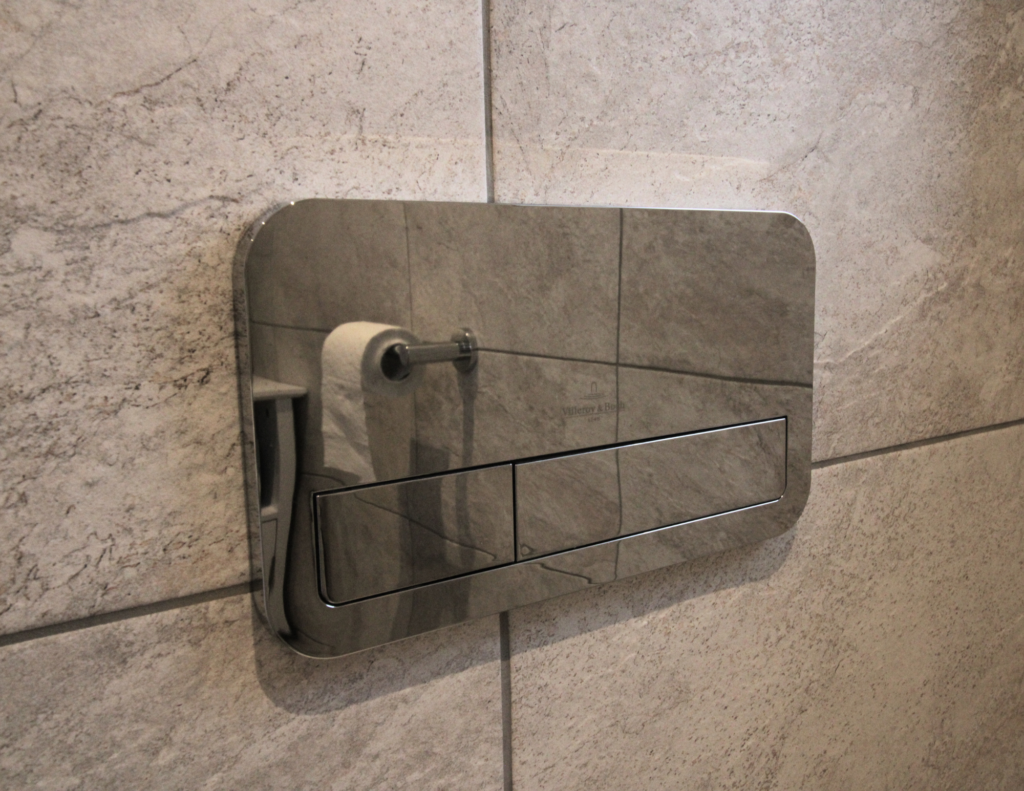
There are plenty of places where you can make sensible savings when designing a bathroom. Your taps, shower controls and other frequently used fixtures aren’t necessarily where we’d start.
These are the parts of your bathroom that you’ll interact with every day, often multiple times a day. They’re exposed to water, regular cleaning and constant use, so quality matters. A cheaper tap might look remarkably similar to a higher-quality alternative when it’s brand new. The difference can become more apparent several years down the line, particularly in the quality of its components and finish. Think about longevity as well as the initial price.
Spending a little more on reliable fixtures from established manufacturers can be worthwhile if it means they continue to look good and work properly long after your bathroom has been completed.
4. Spending on beautiful tiles but not the installation
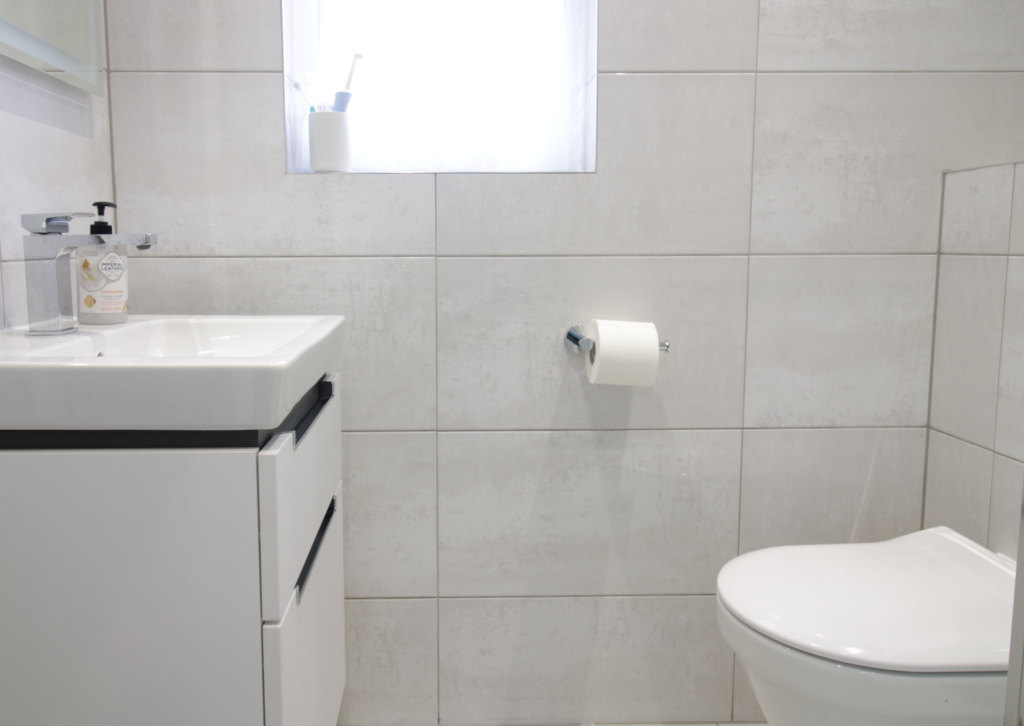
You can buy the most expensive tiles in the showroom and still end up disappointed with your bathroom if they’re badly installed. Uneven tiles, inconsistent grout lines, poor cuts around fixtures and edges that don’t sit flush can all become very noticeable once the room is finished. And unlike changing a mirror or replacing a tap, fixing poor tiling isn’t always straightforward.
This is particularly important with larger-format tiles. They can create a clean, contemporary finish with fewer grout lines, but they need a suitable, properly prepared surface and experienced installation to achieve the finish you’re expecting. It’s easy to allocate most of your bathroom budget to the things you can see in a showroom. The workmanship behind them deserves just as much consideration. Good installation might not be the exciting part of choosing a bathroom, but you’ll notice poor installation every single day.
5. Designing for an empty bathroom
There is one thing conveniently missing from almost every beautiful bathroom photograph: Stuff.
Toothbrushes. Skincare. Towels. Toilet rolls. Hair products. Cleaning products. Medication. Makeup. The eight bottles currently living around the edge of your shower. A bathroom can look wonderfully minimal before anyone actually starts using it. If there isn’t somewhere convenient for all those everyday items to go, they’ll inevitably end up on the vanity, windowsill, bath or floor.
That’s why storage needs to be part of the initial bathroom design rather than something you try to solve afterwards. Vanity drawers can hide frequently used toiletries while keeping them within easy reach. Mirrored cabinets make use of otherwise redundant wall space. Shower niches can keep bottles away from the floor, and tall fitted units can provide a surprising amount of storage without taking up a huge footprint.
Before finalising your bathroom design, make a rough list of everything you currently keep in the room. Then ask yourself: where is all of this going in the new one? If there isn’t an answer, you probably need more storage.
Design your bathroom for an ordinary Tuesday
It’s easy to design a bathroom for the finished ‘wow’ moment. A much better test is to imagine living with it on an ordinary Tuesday morning a few years from now. Is there enough light when you’re getting ready? Can you clean around everything easily? Is there somewhere to put your toiletries? Do the taps still feel sturdy? Are you going to notice that wonky tile every time you sit in the bath?
The best bathrooms aren’t just the ones that look impressive when they’re first installed. They’re the ones that continue to work well once they’ve been filled with towels, toiletries and all the other realities of everyday life. If you’re planning a bathroom renovation in Manchester or Cheshire, the Adamsons design team can help you consider those practical details alongside the colours, tiles and products that make the room feel like yours.