

For a long time, the brief for a house extension was fairly simple: more space. But as extensions have become a more established way of reshaping a home, homeowners are becoming much more considered about what that additional space actually needs to do. It isn’t just about adding square metres. It’s about creating rooms that feel good to spend time in, work throughout the year and make everyday life a little easier.
So, what are we expecting to see more of in 2027? While we’re still early for definitive 2027 trend reports, there are several design ideas that have been gaining momentum and look set to influence the next generation of home extensions.
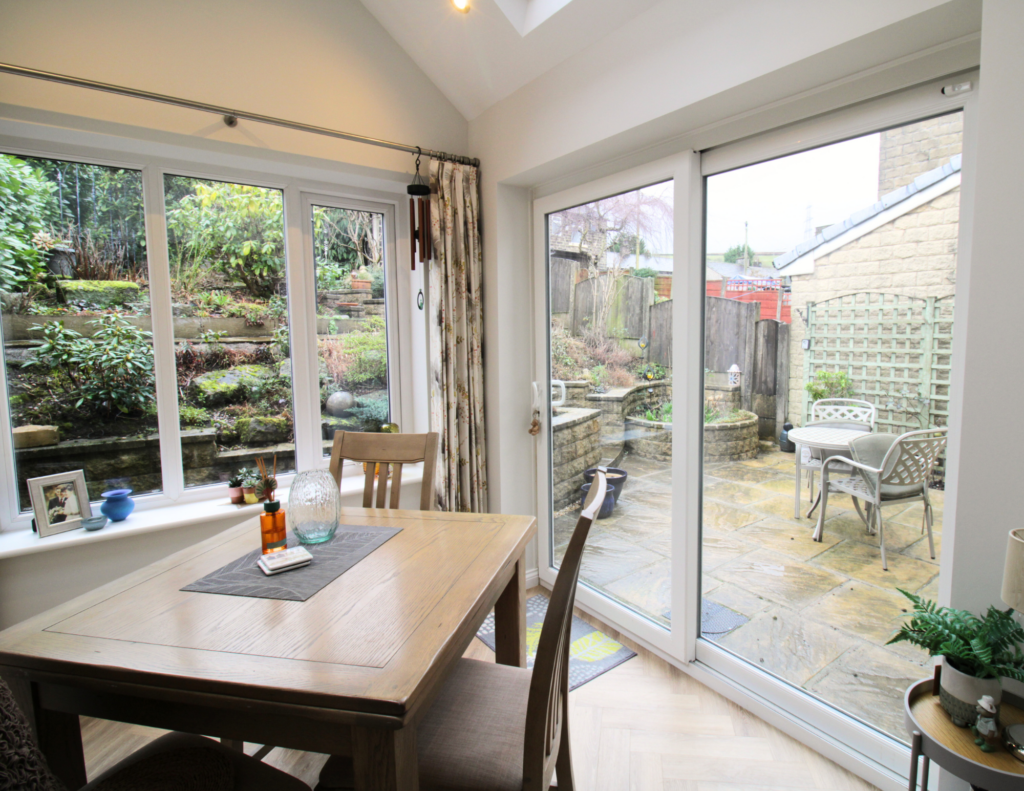
1. Natural light will remain a priority
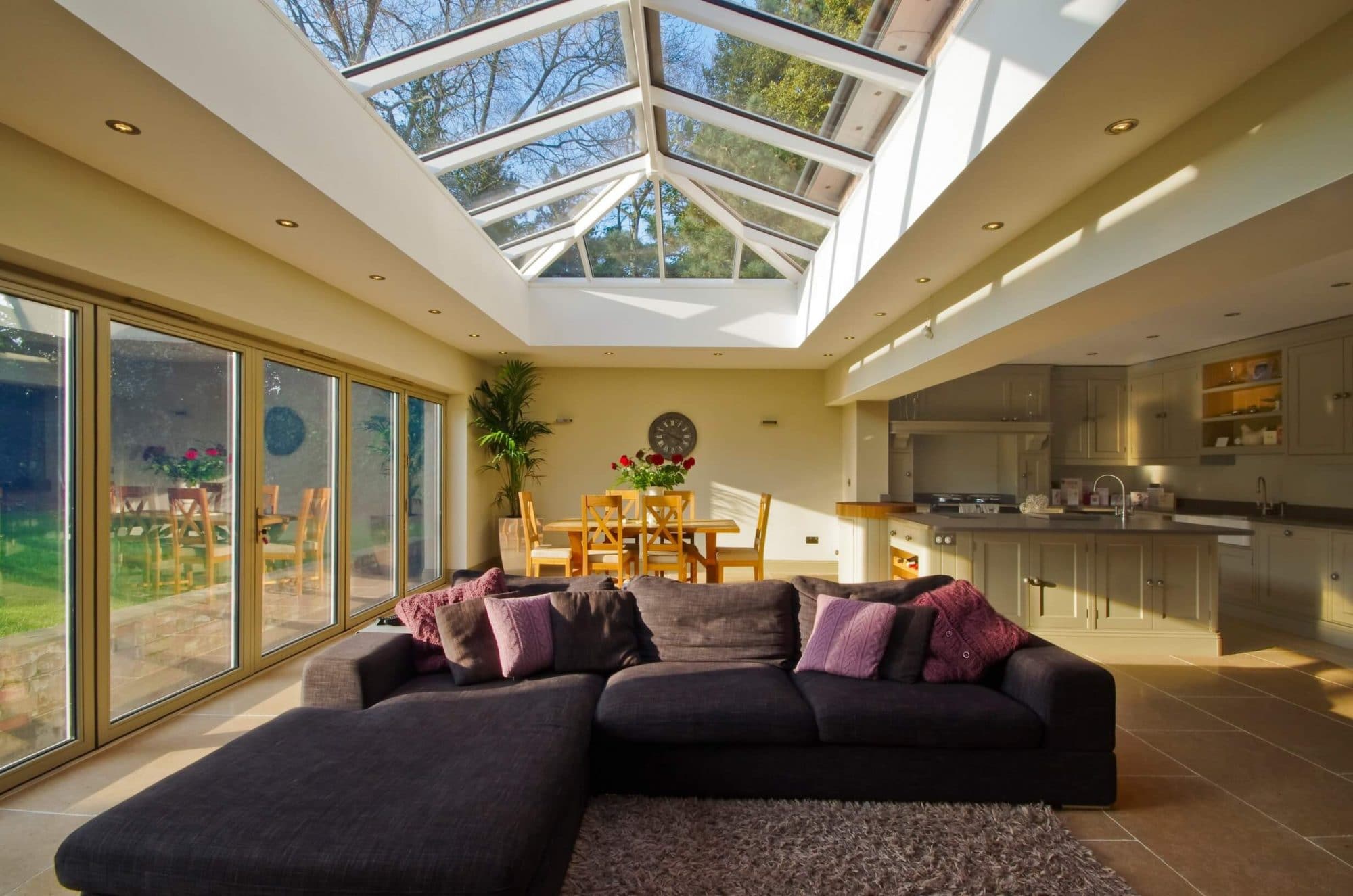
Natural light isn’t exactly a new extension trend, and we don’t expect it to disappear any time soon. Large bifold and sliding doors have become a familiar feature of rear extensions, helping connect kitchens and living spaces with the garden while bringing considerably more daylight into the home.
For 2027, we expect the conversation to become less about simply having the biggest possible set of doors and more about designing the entire extension around light. That could mean rooflights or lanterns above areas that sit further from the garden, carefully positioned windows and glazing that allows light to reach deeper into the existing house. It’s particularly important when extending a property because adding several metres to the back of a home can inadvertently make the original rooms in the centre darker.
A good extension design needs to consider where daylight is coming from, where it’s going and how the home will feel throughout the day, not just how impressive the glazing looks from the garden.
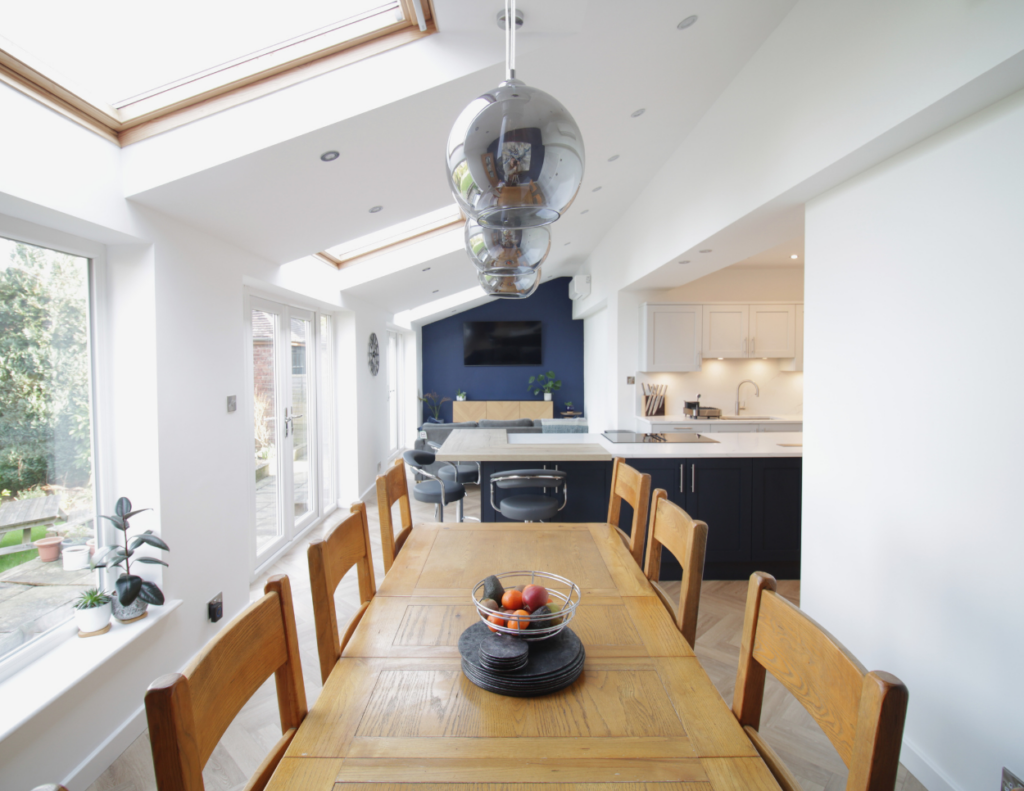
2. Keeping extensions comfortable in summer
After another hot summer, we expect temperature control to become a much bigger part of extension conversations in 2027. There’s an interesting balancing act here. Homeowners want large areas of glazing because they provide natural light and a connection with the garden. But large expanses of glass can also contribute to rooms becoming uncomfortably warm when they’re exposed to strong summer sun.
That’s why we’re likely to see more homeowners thinking about summer comfort at the design stage rather than discovering the problem during their first heatwave. Air conditioning is one option we expect to be discussed more frequently, particularly in large open-plan kitchen, dining and living extensions. But temperature control goes beyond air conditioning. The specification and position of glazing, ventilation, insulation, opening rooflights and solar shading can all influence how comfortable an extension is throughout the year.
The aim is ultimately to create a room that feels just as good on a hot afternoon in July as it does on a cold January morning.
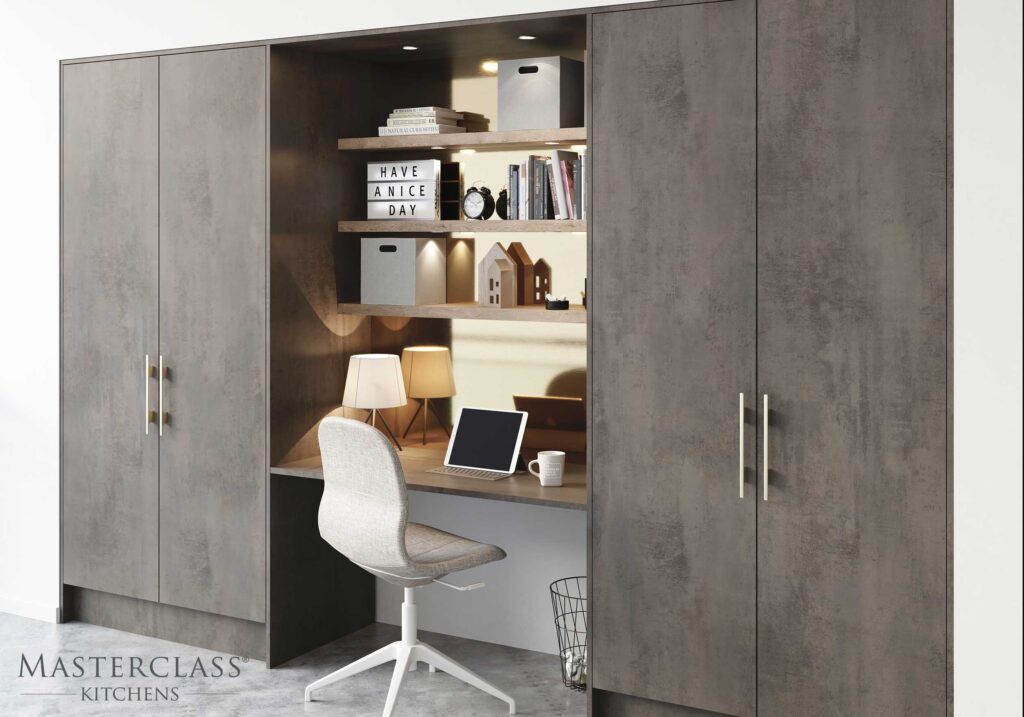
3. Two directions: warm minimalism or romantic interiors
When it comes to the interiors of extensions, we expect to see two quite different styles influencing homes in 2027. On one side is the continuing popularity of Japandi and warm minimalism. Clean lines and uncluttered spaces remain, but stark whites and cool greys are replaced by warmer neutrals, natural textures and plenty of wood.
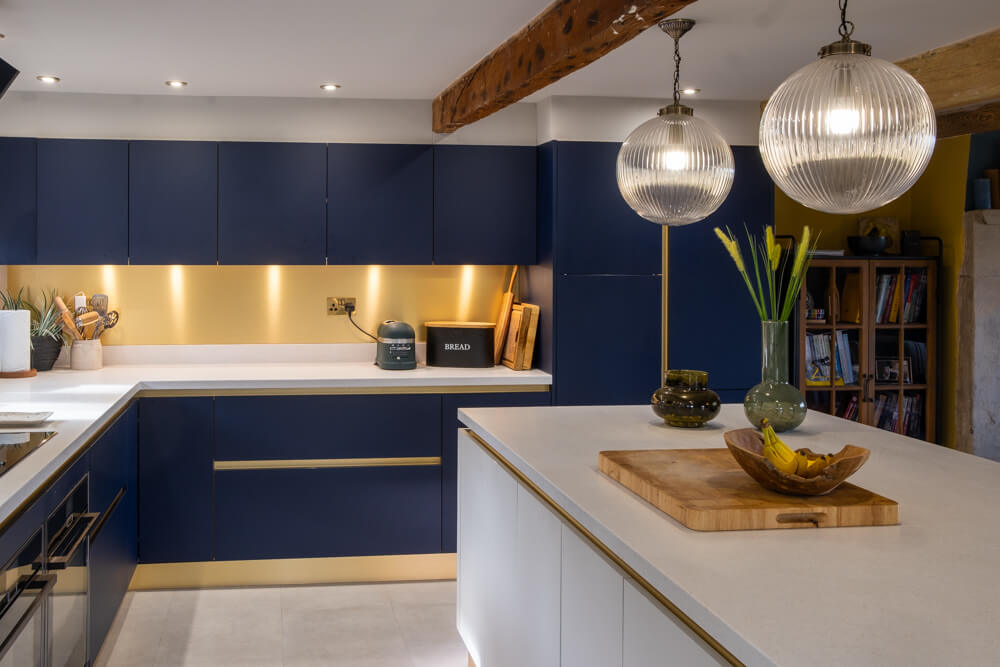
Think timber kitchen cabinetry, warm flooring, simple furniture, soft plaster-like finishes and a relatively restrained colour palette. It’s particularly effective in contemporary extensions, where natural materials can soften large expanses of glazing and clean architectural lines. At almost the opposite end of the spectrum, we’re also seeing a move towards more romantic, decorative interiors.
Despite looking very different, the two styles have something in common: Both are about making modern spaces feel warmer and more personal.
So perhaps the 2027 trend isn’t that everyone will suddenly have a Japandi kitchen or a romantic floral dining room. It’s that the cold, clinical extension is losing its appeal, with homeowners looking for spaces that feel much more comfortable, characterful and lived-in.
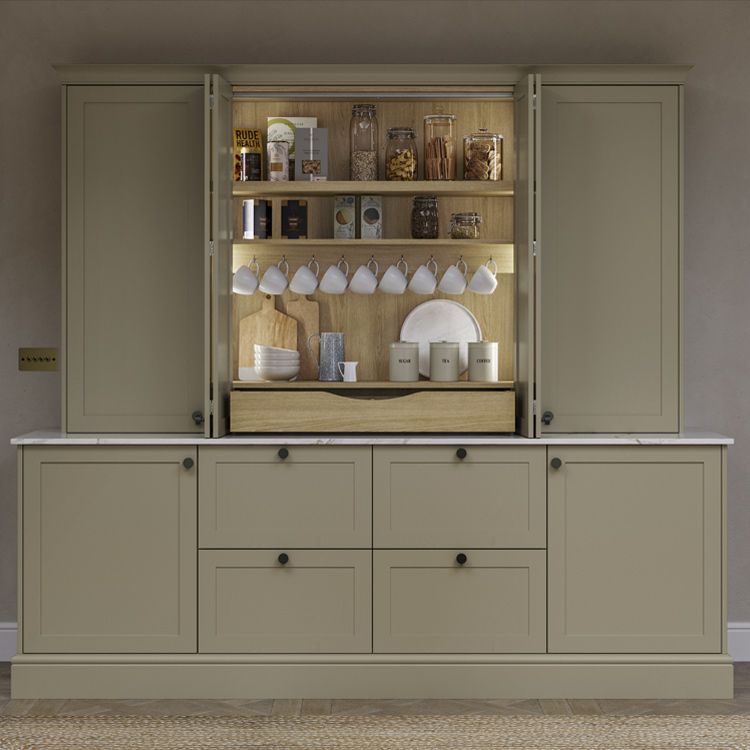
4. Dedicated coffee and drinks stations
The kitchen island isn’t going anywhere, but we’re expecting homeowners to become increasingly interested in smaller dedicated zones within larger extension spaces. One of those is the coffee station. Rather than keeping the coffee machine, kettle, mugs and everything else on the main kitchen worktop, a dedicated coffee area gives them their own home. Depending on the design, it could be incorporated into tall cabinetry, tucked behind pocket doors or turned into more of a feature. And it doesn’t necessarily have to sit in the kitchen.
In a large kitchen-dining extension, a coffee or drinks station could sit closer to the dining or living area, allowing someone to make a drink without crossing through the main cooking zone. For homeowners who entertain regularly, the same principle can be expanded into a bar area with drinks storage, glassware, a wine cooler or additional refrigeration. It’s a relatively small feature, but one that reflects a broader change in extension design: thinking about the little routines that happen in a room rather than simply deciding where the kitchen and sofa will go.
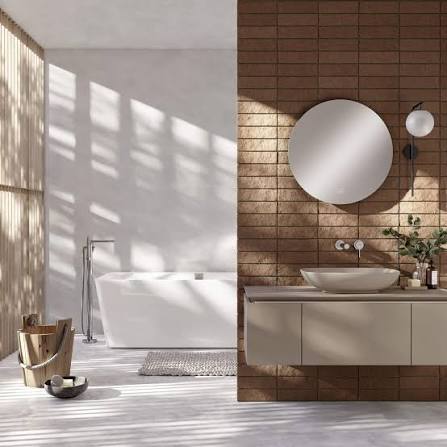
5. Wellness spaces becoming part of everyday rooms
Wellness has been influencing bathroom and bedroom design for several years, but in 2027 we expect to see more of those ideas filtering into the shared areas of the home too. That doesn’t necessarily mean sacrificing an entire room for a home spa.
A wellness station might be somewhere to make tea, prepare smoothies and supplements or store everything needed for a morning routine. In a larger extension, homeowners might incorporate a small exercise area or create a quiet corner away from the main kitchen activity.
There’s also a wider interpretation of wellness that’s likely to influence extension design. More natural light. Better ventilation. Comfortable temperatures. Views of the garden. Natural materials. Somewhere quiet to sit with a coffee. These aren’t necessarily features you’d label as a “wellness space”, but they can all contribute to making a home feel better to spend time in.
The bigger 2027 trend: designing extensions around how you live
Perhaps the most interesting extension trend for 2027 isn’t a particular material or architectural feature at all. It’s greater personalisation.
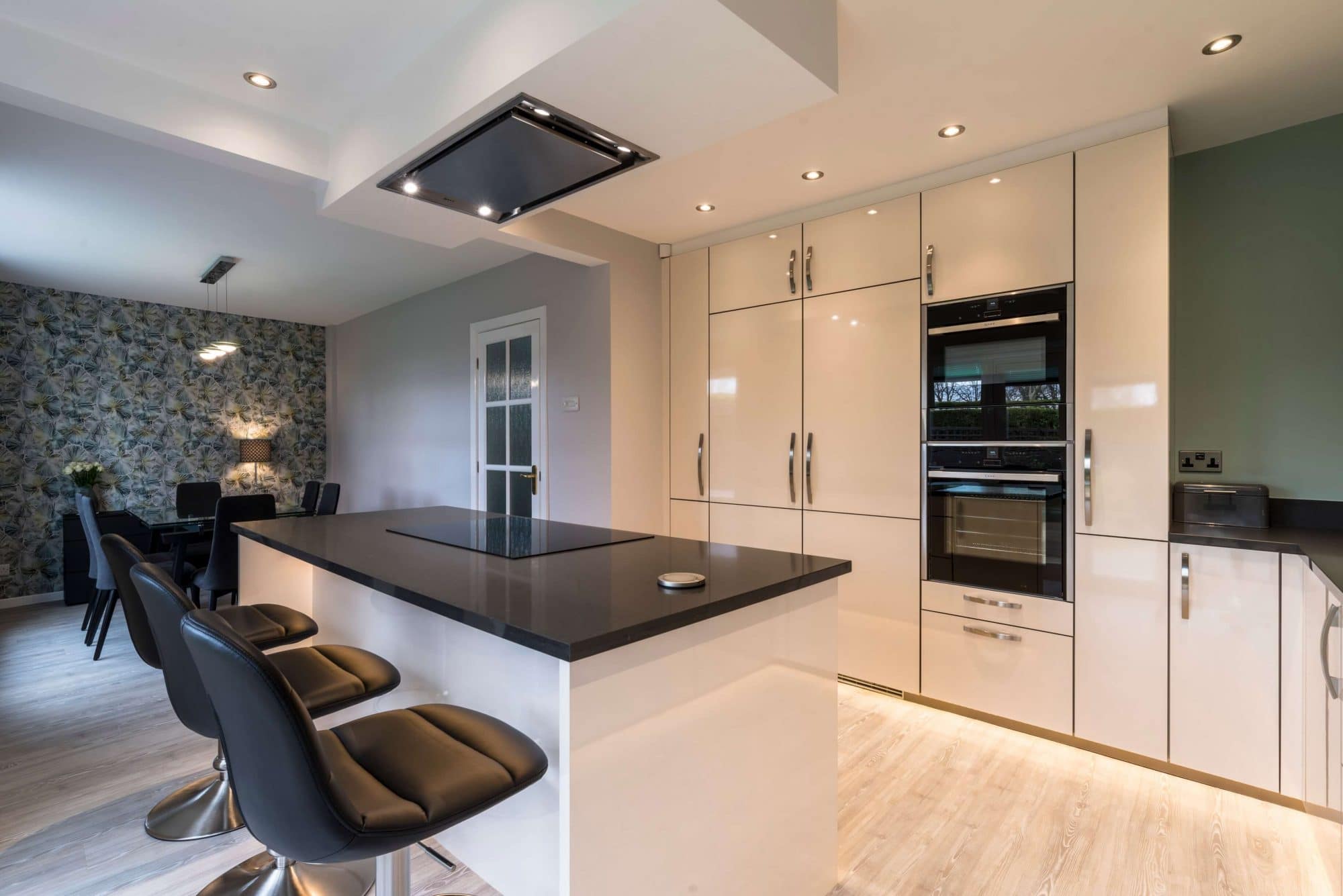
For years, the archetypal rear extension has been a large open-plan kitchen, dining and living room with an island in the middle and bifold doors across the back. There’s nothing inherently wrong with that layout. For many households, it works brilliantly. But homeowners are increasingly able to be more specific about what they actually need from the additional space.
Maybe that’s somewhere to make coffee in the morning without cluttering the main kitchen. A dining area flooded with daylight. Better temperature control during summer. A quiet corner overlooking the garden. More storage. Or an extension that gives everyone somewhere to be without putting the entire household in one enormous room. Those requirements should influence the architecture and layout from the beginning.
Planning a house extension in 2027?
Trends can be a brilliant source of ideas, but an extension is a long-term investment. The best starting point isn’t necessarily asking what’s fashionable in 2027. It’s asking what doesn’t work about your home now and how you’d like to use it differently.
At Adamsons, we design and manage house extensions across Manchester and Cheshire, considering the new space alongside the existing property so that the finished extension feels like a natural part of your home.