

The kitchen is one of the hardest rooms in the home to put a price on. A straightforward replacement and a complete redesign might both be described as a “new kitchen”, but the investment involved can be very different. So, when homeowners start thinking about renovating, one of the first questions that comes up is: “What does a kitchen renovation actually cost?”
The honest answer is that there isn’t a single figure. Every home is different, and so is every project. The size of the space, the layout changes involved, the cabinetry and appliances you choose and any structural work required will all influence the overall investment.
At Adamsons, our fully managed kitchen renovation projects typically begin from around £30,000. This guide will give you a clearer picture of what goes into that investment and why the cost of two kitchen renovations can look very different.
What Does a Typical Kitchen Renovation Involve?
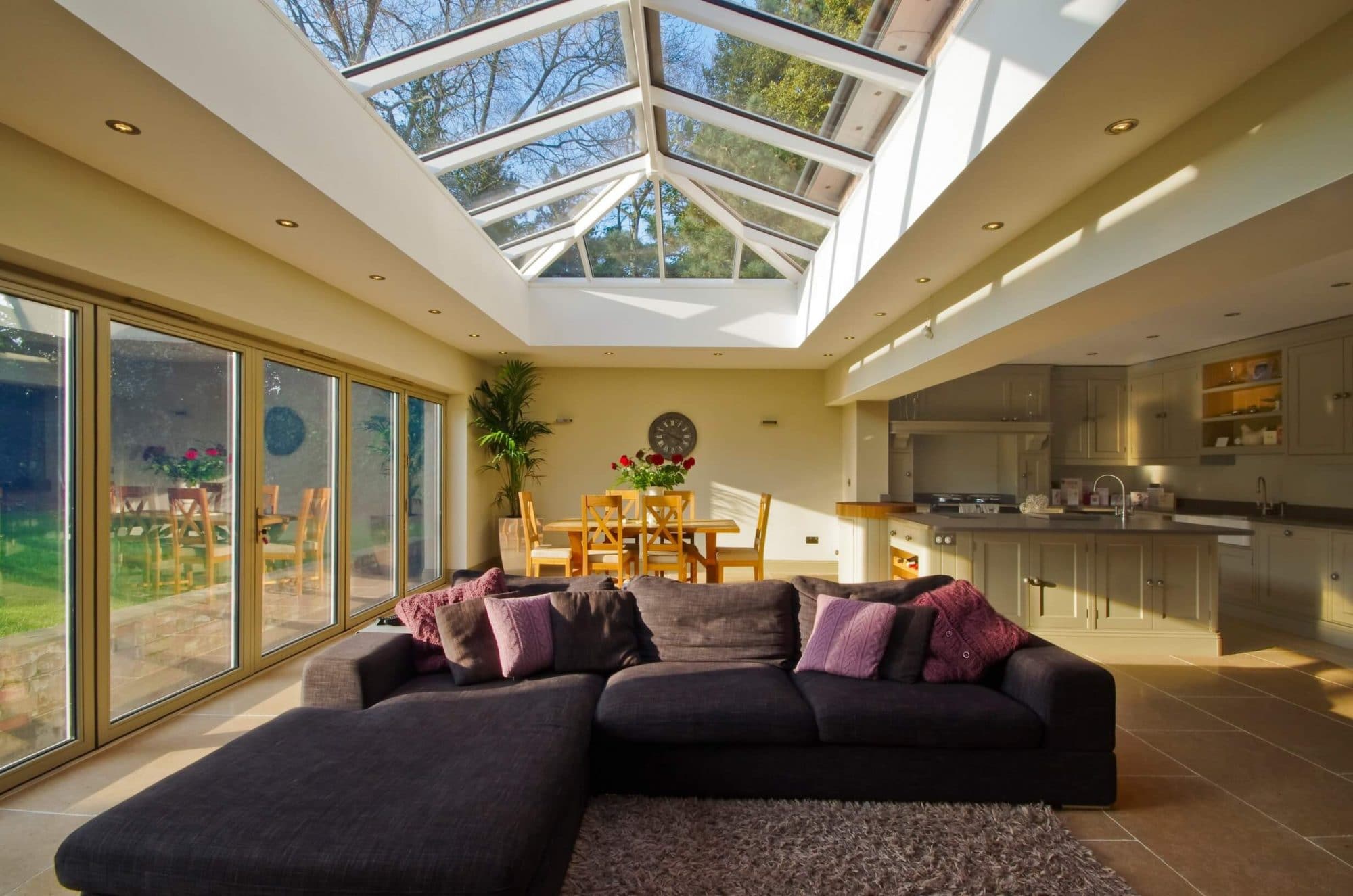
Some kitchen projects are relatively straightforward, replacing cabinetry and appliances within the existing layout. Others involve a much bigger change, reworking the room, opening the kitchen into adjoining spaces or creating a completely new layout that works better for everyday life. Many of the kitchens we deliver fall into the latter category. They’re not simply replacements, but redesigns that improve how the home looks, feels and functions.
Our fully managed kitchen renovations typically start from around £30,000, with the final investment determined by the size, specification and scope of the project.
Depending on the individual design, the overall project can include:
- High-quality cabinetry and joinery
- Appliances
- Worktops and splashbacks
- Electrical upgrades and new lighting
- Plumbing alterations
- Flooring
- Plastering and decorating
- Professional installation by experienced trades
- Dedicated project management throughout
More ambitious transformations, particularly those involving structural alterations or wider changes to the layout of the home, will naturally increase the overall investment.
The 2027 Forecast: Investing in Kitchens That Last
One of the biggest shifts we’re expecting to continue into 2027 isn’t a particular colour or kitchen style. It’s a greater focus on investing in quality. Recent research from MTW Research suggests that UK kitchen sales volumes remain around 20% below 2019 levels. Despite fewer kitchens being sold, the overall market is forecast to grow by as much as £100 million in 2027, with researchers identifying a wider shift towards more premium purchases.
So, what does that mean if you’re planning a new kitchen?
It suggests homeowners are becoming more considered about their renovations. Instead of replacing a kitchen simply because it’s dated, those who do decide to renovate are increasingly prepared to invest in a kitchen that’s designed to last. For some, that could mean choosing better-quality cabinetry and worktops. For others, it might be investing in the appliances they use every day, clever internal storage or a layout that has been properly designed around how they live.
Investing in quality doesn’t necessarily mean choosing the most expensive option for everything. It’s about deciding which elements will make the biggest difference to the longevity and everyday enjoyment of your kitchen, and putting your budget there. As we head into 2027, buying better rather than simply buying more looks set to become an increasingly important part of kitchen design.
Source: MTW Research UK kitchen market report, as reported by kbbreview, September 2026.
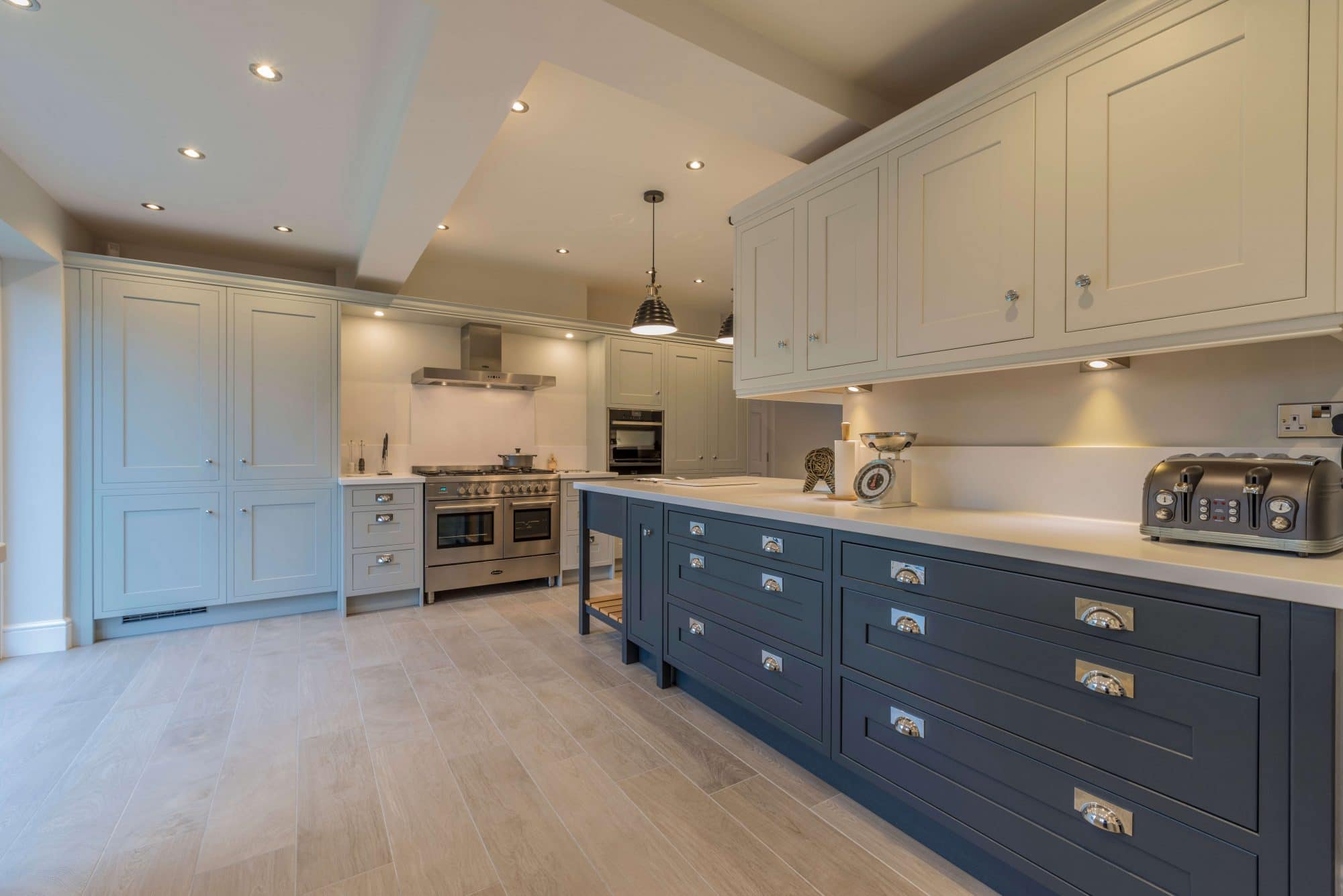
What Influences the Cost of a Kitchen?
Even kitchens that appear similar at first glance can vary considerably in price once you look at the details. The size of the room certainly matters, but it isn’t as simple as assigning a cost per square metre. The amount and type of cabinetry, appliances, worktops, layout changes and work required to the room itself can all make a significant difference.
Here are some of the biggest factors to consider.
Layout & Space Planning
Many kitchen renovations involve improving how the room works rather than simply replacing what’s already there. Moving the sink, repositioning appliances or introducing an island can create a much better layout, but these changes may also require alterations to plumbing, electrics and heating.
Sometimes spending more to change the layout can be worthwhile if it solves a problem you’ve been living with for years. Keeping everything in exactly the same position might save money initially, but it makes little sense if you’re left with the same frustrations in your brand-new kitchen.
Cabinetry & Joinery
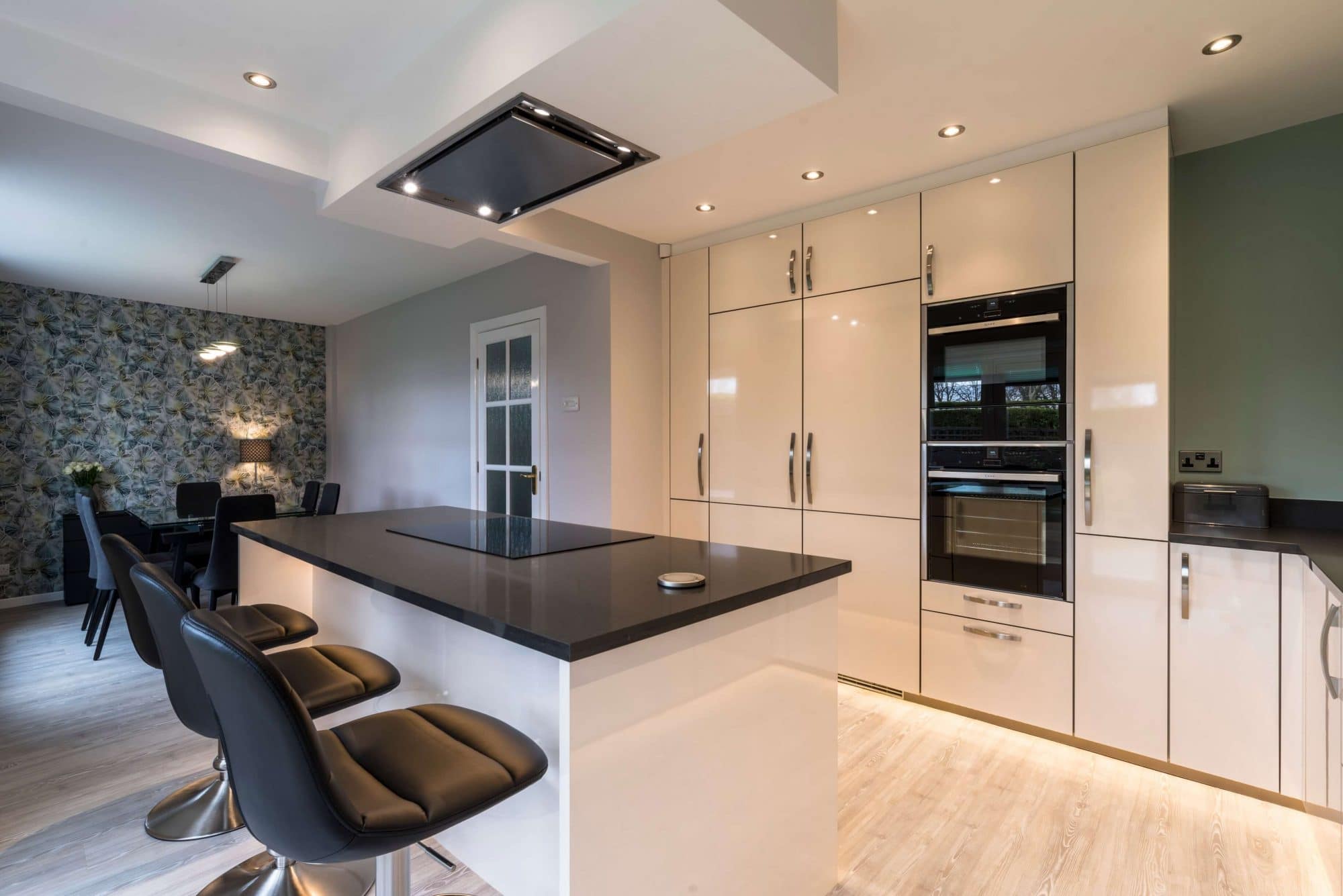
Cabinetry is often one of the most significant investments in a kitchen renovation. We work with trusted manufacturers including Beckermann and Masterclass, giving our customers a wide choice of high-quality cabinetry across contemporary German designs and classic British styles. The number of units required will naturally affect the cost, but what happens inside them matters too.
Drawers, pull-out larders, corner mechanisms, pantry cupboards and other internal storage solutions can increase the specification of the kitchen, while making much better use of the available space. This is why two kitchens of a similar size can still have very different cabinetry costs.
Appliances
Appliances are another area where the overall investment can vary considerably. Think about how you actually use your kitchen and which appliances are most important to you. Someone who loves cooking might prioritise their ovens and hob, while another homeowner might get far more everyday value from a large fridge freezer, integrated coffee machine or dishwasher.
Many of our customers choose appliances from brands such as NEFF, alongside features like Quooker boiling-water taps that can be incorporated into the kitchen design. The aim isn’t necessarily to choose the highest specification available. It’s to invest in the products that make sense for the way you use your kitchen.
Worktops & Surfaces
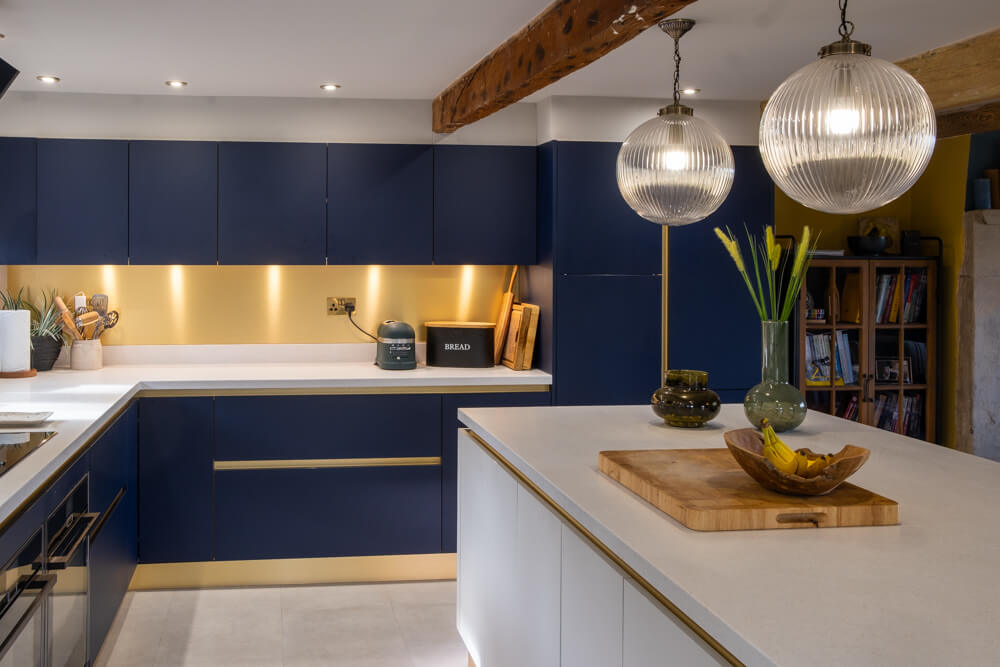
Worktops can make a significant difference to both the appearance and cost of a new kitchen. Laminate offers a practical option at a lower price point, while materials such as quartz, granite and ultra-compact surfaces represent a greater investment. The amount of material required matters too. A large kitchen island will naturally require more worktop than a compact run of cabinetry, while details such as upstands, splashbacks and waterfall ends can increase the amount and complexity of fabrication.
Again, this makes it difficult to put a meaningful average figure against worktops without first having a kitchen design.
Lighting & Electrical Work
Lighting can completely change how a finished kitchen feels, but it also needs to work practically. Modern kitchen designs often combine several types of lighting, including ceiling lights for general illumination, task lighting around preparation areas and softer feature or ambient lighting. A renovation may also require additional sockets, new appliance supplies or alterations to the existing electrics. Planning these details alongside the kitchen itself means sockets, switches and lighting can be positioned where they’re actually needed rather than treated as an afterthought.
Structural Alterations
Sometimes the kitchen you want simply isn’t possible within the existing room. Removing the wall between a kitchen and dining room, changing doorways or creating a new kitchen as part of an extension can completely change how the ground floor of a home works. These larger alterations can introduce additional elements such as structural calculations, steelwork, Building Regulations requirements and construction work. They can also have a knock-on effect elsewhere. If two rooms become one, for example, you may decide to replace the flooring throughout the entire new space rather than just the kitchen. This is where the cost of a kitchen replacement and the cost of a complete kitchen renovation can become very different.
Installation & Finishing
The products you choose are only one part of the finished kitchen. Installation, plumbing, electrics, plastering, flooring, decorating and the final finishing details all contribute to the overall cost. Good installation is particularly important in a kitchen you could potentially live with for decades. Cabinetry needs to be properly fitted, worktops accurately installed and the different trades coordinated in the right order.
When comparing kitchen quotations, look beyond the price of the cabinetry and check exactly what is included in getting you to the finished room. A lower initial price isn’t necessarily a lower overall project cost if you still need to arrange and pay for several different trades yourself.
Is £30,000 Enough for a Kitchen Renovation?
£30,000 is around the starting point for a fully managed Adamsons kitchen renovation, but the size and scope of your individual project will determine how far that budget goes. A smaller kitchen retaining much of its existing layout requires a very different level of investment to a large kitchen-diner with extensive cabinetry, an island, several appliances and structural alterations. The specification you choose will make a difference too. This is why we recommend establishing your priorities and budget with your designer rather than trying to calculate what your kitchen should cost based purely on the dimensions of the room. Being open about your budget also helps your designer make sensible recommendations about where to invest and where you could potentially make savings.

Comparing Kitchen Renovation Quotes
One of the reasons kitchen prices can be so confusing is that different companies aren’t necessarily quoting for the same thing. One quotation might cover the supply and installation of cabinetry. Another could cover the complete renovation.
Before comparing the figure at the bottom of two quotations, find out exactly what’s included.
- Who removes and disposes of the old kitchen?
- Who handles the plumbing and electrics?
- Is flooring included?
- What about plastering and decorating?
- If structural work is required, who organises it?
- Who coordinates all the different trades?
These are all jobs that need to happen somewhere along the way. The more useful question isn’t necessarily: “How much does the kitchen cost?” It’s: “How much will it cost to get my home from where it is now to the finished kitchen I want?”
A Fully Managed Kitchen Renovation
One of the biggest differences between buying a new kitchen and undertaking a full kitchen renovation is everything that happens around it. At Adamsons, we provide a fully managed renovation service, bringing together the kitchen design, products, installation and any construction work required.
You’ll have a dedicated Project Manager coordinating the different trades and keeping the project moving, rather than having to organise each stage yourself. It also means your proposal can account for the wider project, rather than looking at the cabinetry in isolation.
If you’re considering a kitchen renovation in Manchester or Cheshire, an initial appointment gives us the opportunity to see your existing space, understand what you’d like to change and talk realistically about your budget.